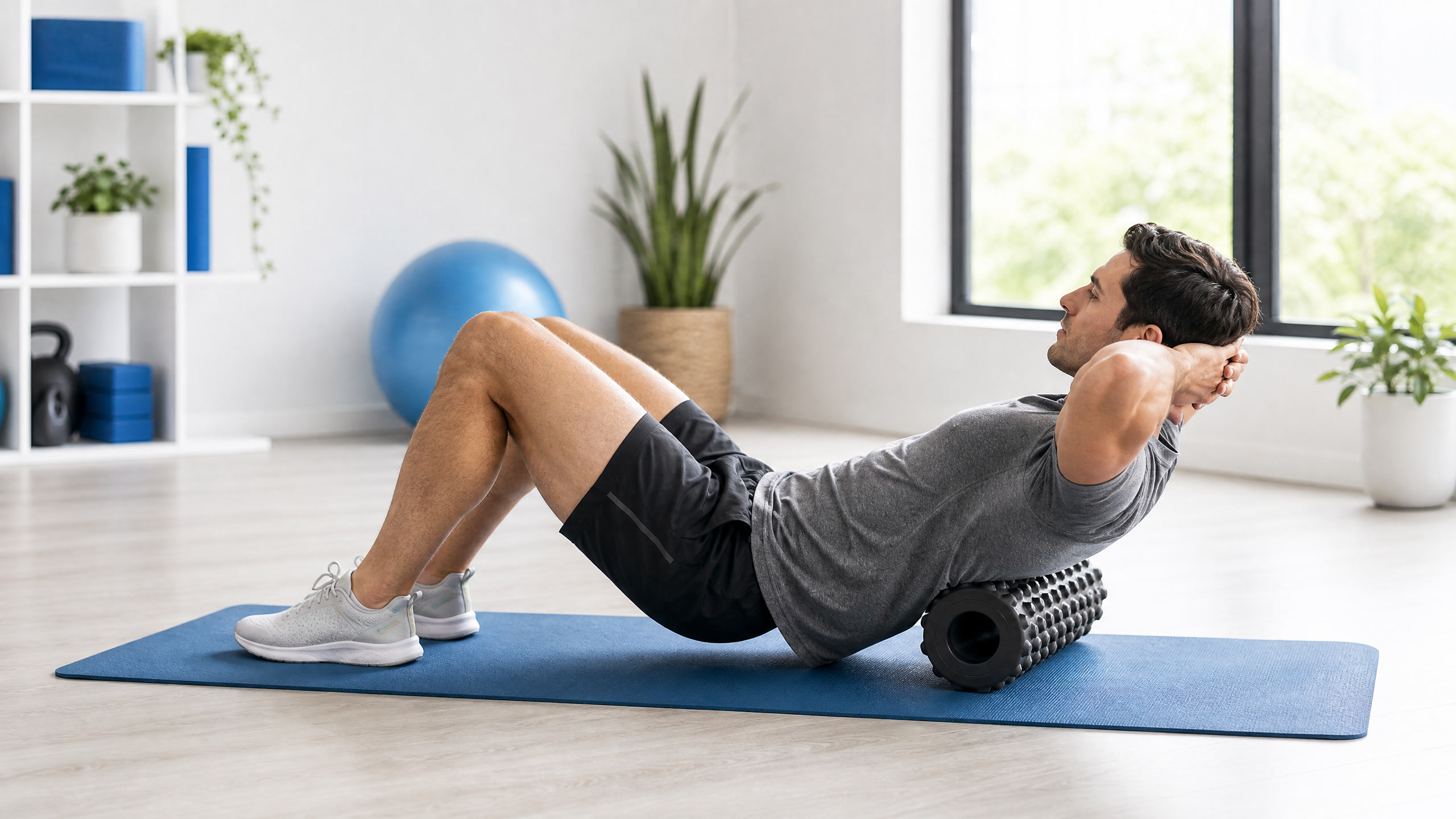
1. Introduction to Foam Rolling
Foam rolling has revolutionized the way athletes and fitness enthusiasts approach muscle recovery and flexibility. What started as a niche technique has become mainstream, recognized for its ability to enhance athletic performance, reduce muscle soreness, and improve overall mobility.
Key Takeaways
- Understand the different types of foam rollers and choose one that suits your specific needs
- Set up a dedicated space for foam rolling that is free from obstacles
- Incorporate advanced techniques to target specific muscle groups
- Always adhere to safety guidelines, recognizing pain vs. discomfort
- Regular foam rolling significantly improves flexibility and recovery
What is Myofascial Release?
Foam rolling is a form of self-myofascial release (SMR) that applies pressure to specific points on your body to aid in muscle recovery. This technique helps release muscle tightness, break up scar tissue, and increase blood flow to targeted areas.
2. Understanding Foam Rollers
Foam rollers come in various sizes, textures, and densities, each designed for specific needs and preferences. Choosing the right type is crucial for effective foam rolling.

Soft Smooth Roller
Ideal for beginners and sensitive areas
These rollers provide gentle pressure perfect for those new to foam rolling or with sensitive muscles. They're excellent for learning proper form without excessive discomfort.
Features:
- Low density foam (EPS or EPE)
- Smooth surface texture
- Gentle pressure distribution
- Perfect for beginners
Best For:
Beginners, rehabilitation, sensitive areas, and gentle myofascial release.
Firm Dimpled Roller
Deep tissue massage and trigger point release
With raised textures and firm density, these rollers provide deeper pressure to target tight muscles and trigger points effectively.
Features:
- High density EVA foam
- Textured surface with nodules
- Targeted pressure points
- Deep tissue penetration
Benefits:
- Breaks up scar tissue
- Targets trigger points
- Increases blood circulation
- Improves muscle elasticity
Vibrating Foam Roller
Enhanced muscle stimulation and recovery
These innovative rollers combine traditional foam rolling with vibration therapy to enhance muscle stimulation and accelerate recovery.
Features:
- Built-in vibration motors
- Adjustable intensity levels
- Rechargeable battery
- Multiple speed settings
How They Help:
Vibration enhances blood flow, reduces muscle tension more effectively, and can reach deeper muscle layers than static rolling alone.
Foam Roller Comparison
| Roller Type | Best For | Pressure Level | Texture | Price Range | Maintenance |
|---|---|---|---|---|---|
| Soft Smooth | Beginners, Sensitive Areas | Smooth | $15 - $30 | Easy | |
| Firm Dimpled | Deep Tissue, Athletes | Textured | $25 - $50 | Easy | |
| Vibrating | Enhanced Recovery | Textured/Smooth | $50 - $150 | Medium | |
| Grid Pattern | Trigger Point Release | Grid Texture | $30 - $60 | Easy | |
| Rumble Roller | Advanced Muscle Release | Aggressive Nodules | $40 - $80 | Easy |
3. Basics of Foam Rolling
Mastering the fundamentals is essential for safe and effective foam rolling. Follow these guidelines to establish a solid foundation.

Setting Up Your Space
Choose a clear, well-lit area with enough space for full range of motion. Use an exercise mat for comfort and position your roller within easy reach.
Starting Techniques
Begin with gentle pressure and increase gradually. Use slow, controlled movements, rolling back and forth across the muscle group for 30-60 seconds.
Common Mistakes to Avoid
Never roll directly on joints or bones. Avoid rolling too quickly or using excessive force. Don't hold your breath - maintain normal breathing patterns.
Maintenance Tips
- Regular Cleaning: Clean with mild soap and water after each use
- Storage: Keep in a cool, dry place away from direct sunlight
- Avoid: Extreme temperatures and sharp objects
- Inspection: Regularly check for signs of wear or deformation
- Replacement: Replace when foam becomes permanently compressed or damaged
4. Advanced Foam Rolling Techniques
Once you've mastered the basics, these advanced techniques can help you target specific muscle groups and maximize benefits.

Targeting Specific Muscle Groups
Quadriceps
Lie face down with roller under thighs. Roll from hips to knees, pausing on tight spots.
Hamstrings
Sit with roller under thighs. Roll from glutes to knees, adjusting pressure as needed.
Calves
Sit with roller under calves. Cross one leg over the other to increase pressure.
Back
Lie with roller perpendicular to spine. Roll from mid-back to upper back, avoiding lower back.
IT Band
Lie on side with roller under hip. Roll down to knee, supporting with opposite leg.
Glutes
Sit on roller with one ankle crossed over opposite knee. Roll side to side on glute muscles.
Duration and Frequency Guidelines
Beginner Schedule
5-10 minutes per session, 2-3 times per week. Focus on major muscle groups with gentle pressure.
Intermediate Schedule
10-15 minutes per session, 3-4 times per week. Include specific muscle targeting and moderate pressure.
Advanced Schedule
15-20 minutes per session, 4-5 times per week. Incorporate advanced techniques and deeper pressure.
Pre-Workout Rolling
5-10 minutes of dynamic rolling to increase blood flow and prepare muscles for activity.
Post-Workout Rolling
10-15 minutes of static holds on sore muscles to aid recovery and reduce DOMS.
Morning Routine
5 minutes of gentle rolling to wake up muscles and improve mobility for the day ahead.
5. Safety Guidelines for Foam Rolling
Safety should always be your top priority when using foam rollers. Follow these guidelines to prevent injuries and ensure optimal results.
Recognizing Pain vs. Discomfort
Discomfort: Mild to moderate burning sensation, muscle tightness, or pressure - this is normal and indicates you're working on tight areas.
Pain: Sharp, acute, shooting, or radiating pain - STOP IMMEDIATELY. This could indicate injury or nerve compression.
When to Avoid Foam Rolling
Avoid rolling if you have acute injuries, inflammation, fractures, osteoporosis, blood clots, or during pregnancy without medical clearance.
Consulting Professionals
Consult with a physical therapist or doctor before starting if you have chronic pain, medical conditions, or are recovering from surgery.
Avoid Bony Areas
Never roll directly over bones, joints, or the spine. Focus on muscle bellies and avoid bony prominences.
Medical Conditions
If you have hypertension, varicose veins, or skin conditions, consult a healthcare provider before foam rolling.
Inflammation & Swelling
Avoid rolling over swollen or inflamed areas. Use RICE protocol (Rest, Ice, Compression, Elevation) instead.
Post-Surgery
Wait for medical clearance before foam rolling after surgery. Follow your rehabilitation protocol exactly.
6. Benefits of Regular Foam Rolling
Consistent foam rolling offers numerous benefits that extend beyond simple muscle relief. Here's what you can expect:
Enhanced Flexibility
Regular rolling increases muscle elasticity and joint range of motion by up to 30% within just 4 weeks of consistent practice.
Improved Blood Flow
Increases circulation by 75-100% in targeted areas, delivering more oxygen and nutrients to muscles while removing waste products.
Pain Relief
Reduces muscle soreness (DOMS) by up to 50% and can alleviate chronic pain conditions like lower back pain and plantar fasciitis.
Athletic Performance
Improves muscle activation by 15-20%, leading to better power output, endurance, and reduced risk of sports injuries.
Faster Recovery
Accelerates muscle recovery by 30-40%, allowing for more frequent and intense training sessions with reduced fatigue.
Stress Reduction
Triggers parasympathetic nervous system activation, reducing cortisol levels and promoting relaxation throughout the body.
Practical Applications
Daily Routine Integration
Incorporate 5-10 minutes of foam rolling into your morning routine to improve mobility or evening routine to promote relaxation.
Pre-Workout Activation
Use dynamic rolling movements before exercise to increase blood flow and prepare muscles for optimal performance.
Post-Workout Recovery
Apply static holds on sore muscles after workouts to reduce DOMS and accelerate the recovery process.
Therapeutic Applications
Effective for managing chronic conditions like fibromyalgia, arthritis, and repetitive strain injuries when used appropriately.
7. Frequently Asked Questions
Common questions and answers about foam rolling:
What are the different types of foam rollers available?
Foam rollers come in various densities, textures, sizes, and shapes. Main types include: soft smooth rollers for beginners, firm dimpled rollers for deep tissue work, vibrating rollers for enhanced stimulation, grid rollers for trigger point release, and rumble rollers with aggressive nodules for advanced users.
How do I start using a foam roller?
Begin with a soft roller in a clear space. Start with large muscle groups like thighs or back. Use your body weight to control pressure, roll slowly (1 inch per second), and focus on areas of tightness. Spend 30-60 seconds per muscle group and breathe normally throughout.
What are common mistakes to avoid while foam rolling?
Avoid rolling directly on bones or joints, using excessive pressure initially, rolling too quickly, holding your breath, ignoring sharp pain, and neglecting proper warm-up. Also, don't use foam rolling as a substitute for medical treatment when needed.
How can foam rolling improve athletic performance?
Foam rolling improves flexibility, reduces muscle tension, enhances blood flow, decreases DOMS, improves muscle activation patterns, and reduces injury risk. These benefits collectively lead to better performance, faster recovery, and more consistent training.
When should I avoid using a foam roller?
Avoid foam rolling with acute injuries, fractures, osteoporosis, blood clots, severe inflammation, skin infections, during pregnancy (without clearance), or if you have conditions like deep vein thrombosis. Always consult a healthcare professional when unsure.
What are the therapeutic uses of foam rolling?
Therapeutic applications include managing chronic pain conditions, improving mobility in arthritis patients, rehabilitation after injuries, reducing muscle spasms, alleviating tension headaches, improving posture, and managing stress-related muscle tension.
8. Getting Started & Next Steps
You're now equipped with comprehensive knowledge about foam rolling. Here's your action plan for success:
Your Foam Rolling Success Plan
- Step 1: Choose the right roller for your experience level and goals
- Step 2: Set up a dedicated, safe space for your rolling sessions
- Step 3: Start with basic techniques on large muscle groups
- Step 4: Learn to distinguish between productive discomfort and harmful pain
- Step 5: Gradually incorporate advanced techniques and specific muscle targeting
- Step 6: Establish a consistent routine based on your needs
- Step 7: Combine foam rolling with stretching and proper hydration
- Step 8: Track your progress and adjust as needed
Ready to Transform Your Recovery?
Consistent foam rolling can lead to improved flexibility, reduced pain, enhanced athletic performance, and faster recovery. Start incorporating these techniques today and experience the benefits for yourself!
Review the Guide Again