1. Introduction to Jump Rope Training
Jump rope training is one of the most efficient and effective cardiovascular exercises available. What was once considered a children's playground activity has evolved into a serious fitness tool used by athletes, boxers, and fitness enthusiasts worldwide.
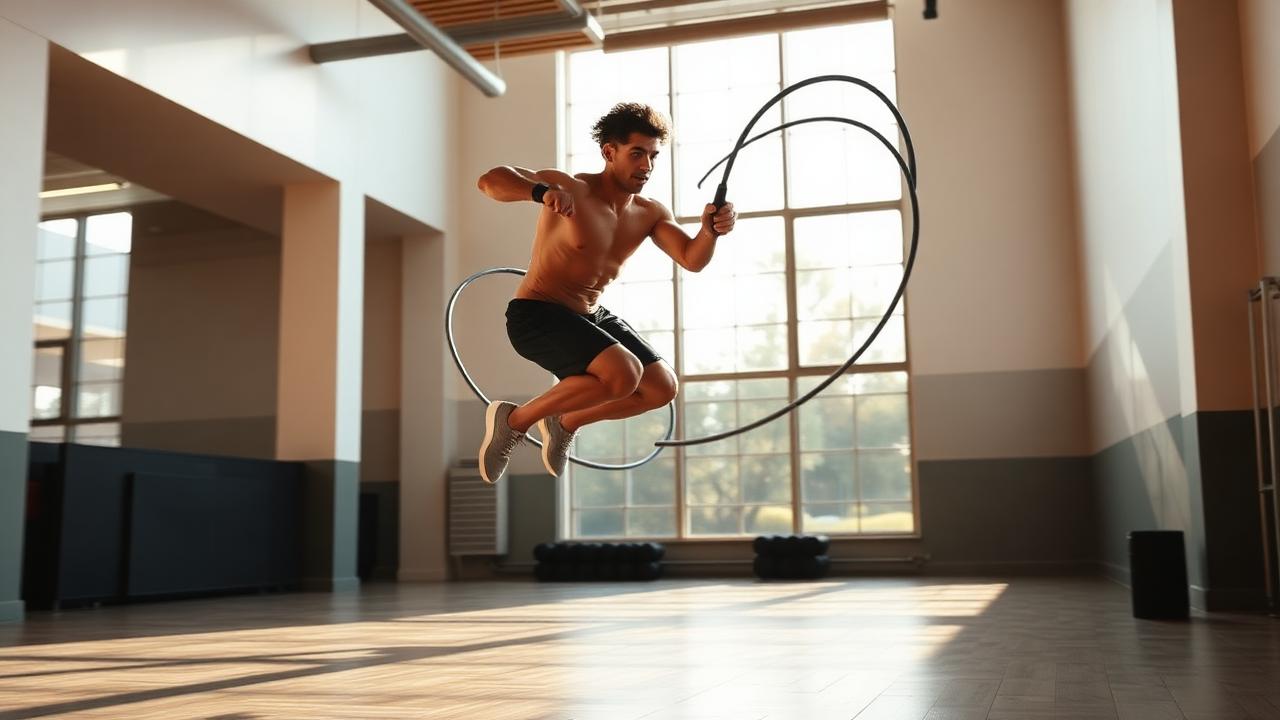
Unlike many other forms of cardio, jump rope offers a complete full-body workout that burns calories, improves coordination, and builds endurance—all while requiring minimal equipment and space.
Why Jump Rope?
Research shows that just 10 minutes of jump rope can provide the same cardiovascular benefits as 30 minutes of jogging. This high efficiency makes it perfect for busy schedules, home workouts, and anyone looking to maximize their fitness results in minimal time.
2. Benefits of Jump Rope Training
Jump rope offers numerous benefits that extend far beyond simple calorie burning. Here are the key advantages you'll experience:
Time Efficient
Burn up to 1,000 calories per hour with high-intensity jump rope intervals. Get more results in less time.
Cardiovascular Health
Improves heart health, lowers blood pressure, and increases VO2 max more effectively than steady-state cardio.
Coordination & Balance
Enhances proprioception, timing, and neural coordination through rhythmic jumping patterns.
Low Impact Options
With proper technique, jumping rope can be gentler on joints than running while providing similar benefits.
Full Body Engagement
Works calves, quads, glutes, shoulders, arms, and core simultaneously for comprehensive muscle activation.
Cost Effective
A high-quality jump rope costs significantly less than gym memberships or expensive cardio equipment.
3. Types of Jump Ropes
Choosing the right jump rope is crucial for your success. Different ropes are designed for specific purposes and skill levels. Here are the main types:
Speed Rope
Fast rotations for intense workouts
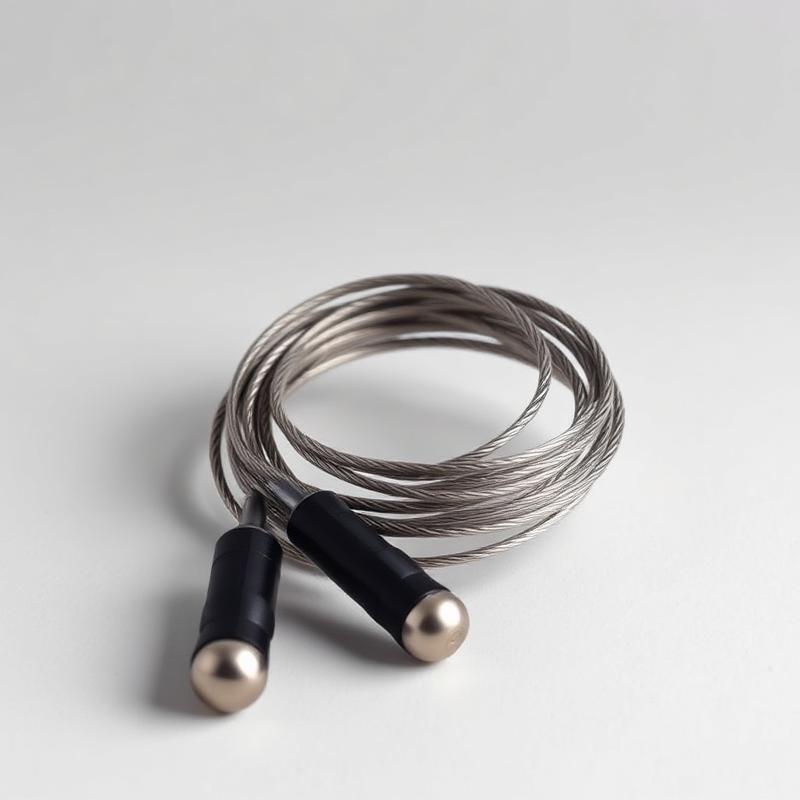
Speed ropes are lightweight with thin cables that cut through the air quickly. Perfect for high-intensity interval training and double unders.
Features:
- Lightweight plastic or steel cable
- Ball bearing handles for smooth rotation
- Adjustable length
- Minimal air resistance
Best For:
Intermediate to advanced users, CrossFit athletes, and those focusing on speed and endurance.
{{PURCHASE_LINK_SPEED_ROPE}}
Buy the Speed Rope
Weighted Rope
Builds strength and endurance
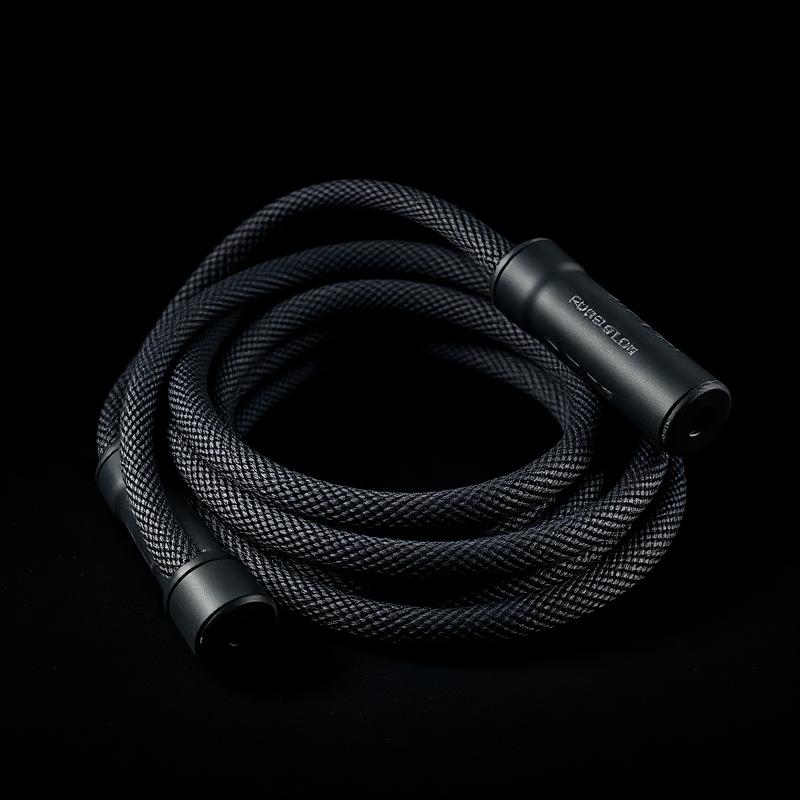
Weighted ropes have heavier handles or cables that increase resistance, helping build upper body strength while jumping.
Features:
- Weighted handles (0.5-2 lbs each)
- Thicker, heavier cable
- Improved grip strength
- Increased calorie burn
Benefits:
- Builds shoulder and arm strength
- Increases workout intensity
- Improves grip endurance
- Enhances muscle engagement
{{PURCHASE_LINK_WEIGHTED_ROPE}}
Buy the Weighted Rope
Beaded Rope
Perfect for beginners and tricks
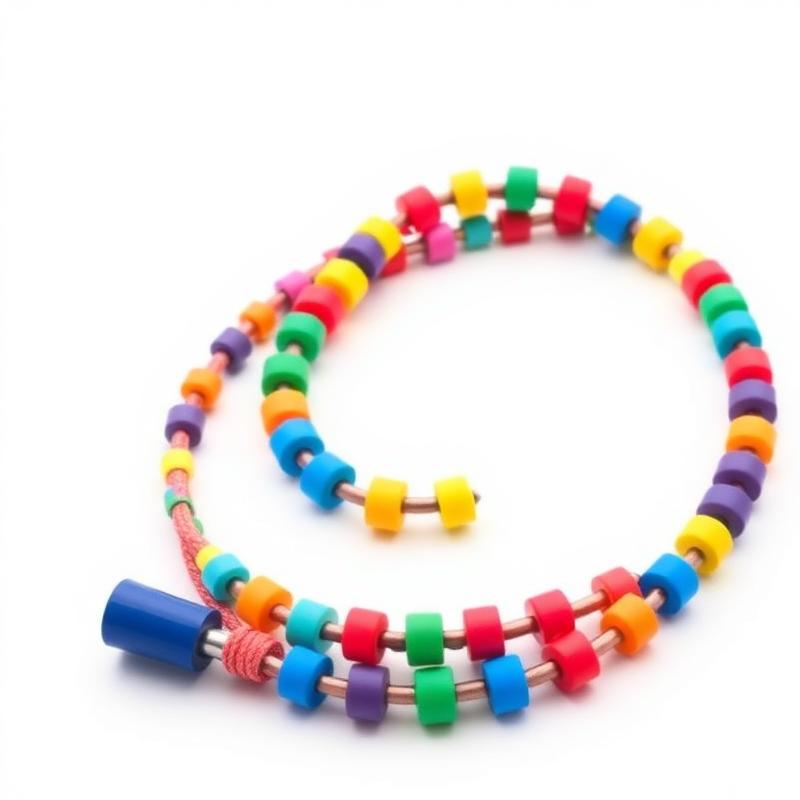
Beaded ropes have plastic beads strung along the cable, creating audible feedback and better visibility for timing.
Features:
- Plastic beads provide audible rhythm
- Durable and long-lasting
- Better for outdoor use
- Easy to time jumps
How They Help:
The audible feedback helps beginners establish rhythm, while the weight distribution makes learning tricks easier.
{{PURCHASE_LINK_BEADED_ROPE}}
Buy the Beaded Rope
Jump Rope Comparison
Different jump ropes serve different purposes. Use this comparison to choose the right rope for your goals:
| Rope Type | Best For | Learning Curve | Calorie Burn | Durability | Price Range |
|---|---|---|---|---|---|
| Speed Rope | HIIT, Double Unders, Endurance | Very High | High | $15 - $50 | |
| Weighted Rope | Strength Building, High Intensity | Very High | Very High | $25 - $80 | |
| Beaded Rope | Beginners, Tricks, Rhythm Training | Medium-High | High | $10 - $30 | |
| Leather Rope | Boxing Training, Traditional Style | Medium | Medium | $20 - $60 | |
| Smart Rope | Tracking Progress, Guided Workouts | High | Medium | $50 - $150 |
4. Proper Jump Rope Technique
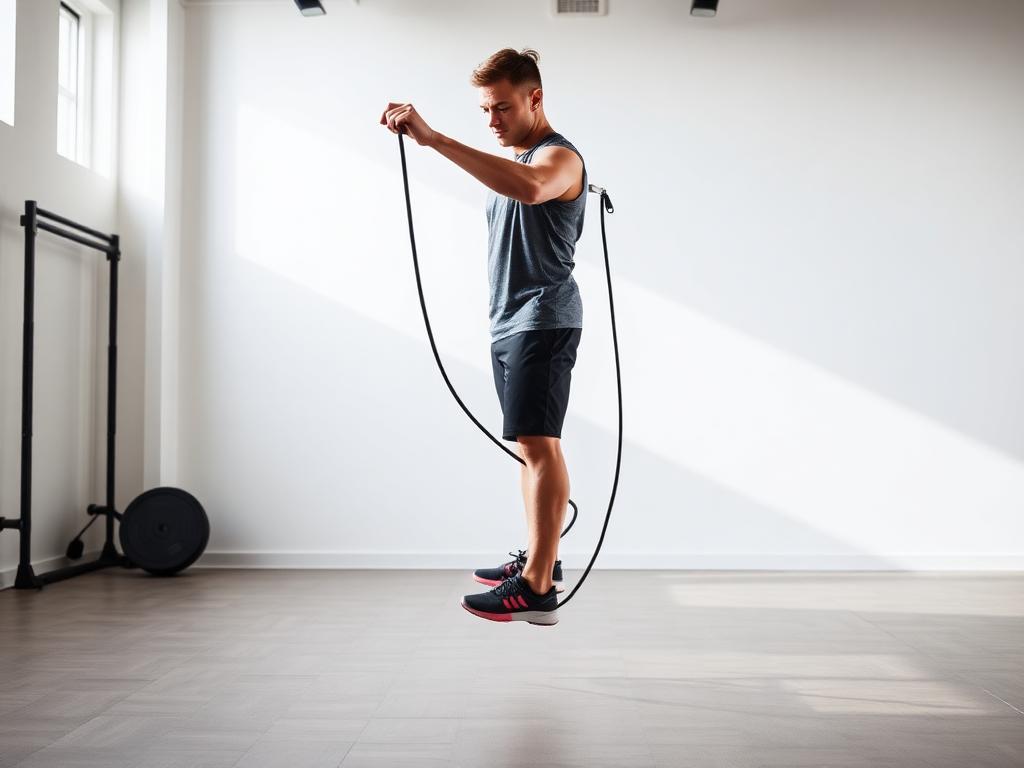
Mastering proper technique is essential for efficiency, safety, and maximum results. Follow these fundamentals:
Proper Rope Length
Stand on the middle of the rope and pull handles upward. They should reach your armpits. Adjust accordingly for your height.
Handle Grip
Hold handles lightly with fingers, not palms. Keep wrists relaxed and slightly forward of your hips.
Jump Height
Jump only 1-2 inches off the ground. Land softly on balls of your feet with knees slightly bent.
Arm Position
Keep elbows close to body, arms at waist level. Rotate rope with wrists, not shoulders.
Posture & Focus
Keep head up, shoulders back, core engaged. Look forward, not down at your feet.
Rhythm & Breathing
Establish consistent rhythm. Breathe naturally—don't hold your breath. Start slow, build speed gradually.
Common Technique Mistakes to Avoid
- Jumping too high: Wastes energy and increases impact
- Using shoulders instead of wrists: Leads to fatigue and shoulder pain
- Looking down: Disrupts posture and rhythm
- Landing flat-footed: Increases joint impact
- Gripping too tightly: Causes forearm fatigue and blisters
- Holding breath: Reduces endurance and oxygen flow
5. Effective Jump Rope Workouts
Structured workouts help you progress and avoid plateaus. Here are routines for different fitness levels:

Beginner Workout (15 minutes)
Warm-up: 3 min light jumping • 30 sec jump, 30 sec rest (repeat 10x) • Cool-down: 2 min light jump/stretch
Focus: Building endurance and rhythm
Intermediate Workout (20 minutes)
Warm-up: 5 min • Tabata: 20 sec max effort, 10 sec rest (8 rounds) • 3 min steady pace • Cool-down: 4 min
Focus: Increasing intensity and speed
Advanced Workout (30 minutes)
Warm-up: 5 min • 45 sec work, 15 sec rest (20 rounds) • Include double unders, crossovers, high knees
Focus: Skill development and endurance
Fat Burn HIIT (25 minutes)
Warm-up: 5 min • 40 sec sprint, 20 sec active rest (15 rounds) • Cool-down: 5 min
Focus: Maximum calorie burn
Skill Development (20 minutes)
Practice specific skills: double unders, side swings, criss-cross, boxer step • 5 min per skill with breaks
Focus: Technique mastery
Endurance Builder (45 minutes)
Steady-state jumping at moderate pace • Maintain consistent rhythm • Perfect for building work capacity
Focus: Aerobic base building
6. Safety & Injury Prevention
Jump rope is generally safe when done correctly, but proper precautions are essential:
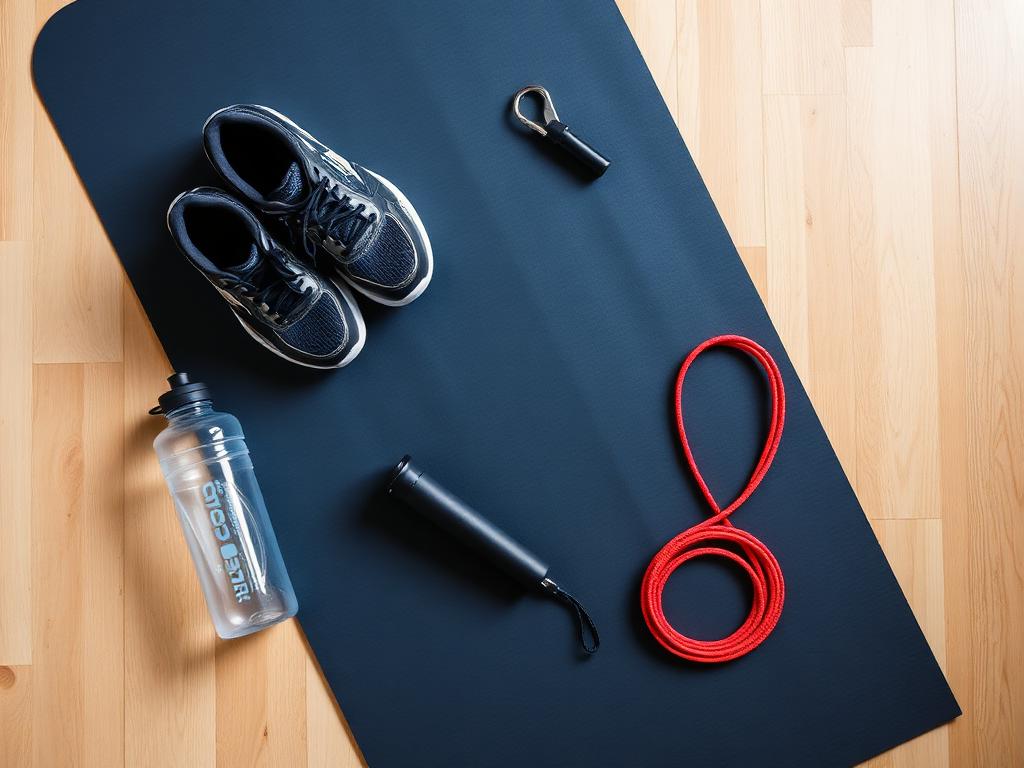
Essential Safety Equipment
Proper Footwear: Cross-training shoes with good cushioning and ankle support. Avoid running shoes with high heels.
Jump Surface: Use shock-absorbing surfaces like rubber flooring, gym mats, or wooden floors. Avoid concrete when possible.
Space Requirements: Clear 3 feet above your head and 2 feet on all sides. Check for ceiling fans and light fixtures.
Warm-up Routine
5-10 minutes of dynamic stretching: ankle circles, calf raises, wrist rotations, light jumping jacks, arm circles.
Injury Prevention
Listen to your body. Stop if you feel sharp pain. Build volume gradually (10% increase per week maximum).
Hand Care
Use grip powder or gloves if prone to blisters. Keep hands dry. File down rough handle edges if necessary.
Recovery Practices
Stretch calves, shins, and forearms after workouts. Use foam roller for legs. Rest 1-2 days per week.
7. Frequently Asked Questions
Common questions and answers about jump rope training:
How many calories does jump rope burn?
Jump rope burns approximately 10-16 calories per minute, depending on intensity. A 30-minute session can burn 300-480 calories, comparable to running at 6-minute mile pace.
Is jump rope bad for your knees?
When done correctly with proper technique and surface, jump rope is actually lower impact than running. The key is landing softly on the balls of your feet with knees slightly bent, and keeping jumps low (1-2 inches).
How long does it take to see results from jump rope?
With consistent training (3-5 times per week), most people notice improved endurance and coordination within 2 weeks, visible fat loss in 4-6 weeks, and significant cardiovascular improvement in 8-12 weeks.
Can I jump rope every day?
Beginners should start with 3-4 days per week to allow adaptation. Advanced jumpers can jump daily but should vary intensity and include active recovery days. Listen to your body and watch for overuse symptoms.
What's the best surface for jump rope?
Ideal surfaces include rubber gym flooring, sprung wood floors, or exercise mats. Avoid concrete, tile, and uneven surfaces. If jumping on hard surfaces is unavoidable, use well-cushioned shoes and limit session duration.
How do I prevent shin splints from jump rope?
Build volume gradually, ensure proper landing technique, wear supportive shoes, jump on shock-absorbing surfaces, strengthen calf muscles, and include rest days. If shin splints develop, rest and ice the affected area.
8. Getting Started & Next Steps
You now have all the knowledge needed to begin or enhance your jump rope journey. Here's your action plan:
Your Jump Rope Success Plan
- Step 1: Choose the right rope for your skill level and goals
- Step 2: Measure and adjust rope length properly
- Step 3: Master basic technique before advancing
- Step 4: Start with beginner workouts, progress gradually
- Step 5: Incorporate variety with different workouts and skills
- Step 6: Track progress and celebrate milestones
- Step 7: Prioritize recovery and injury prevention
- Step 8: Join jump rope communities for motivation
Ready to Transform Your Fitness?
Consistent jump rope training can lead to improved cardiovascular health, increased calorie burn, better coordination, and enhanced athletic performance. Start today and experience the benefits!
Review the Guide Again